0771 02 23 17
e.profesor111@gmail.com

-
History/Social Studies
Browse All 20 Resources
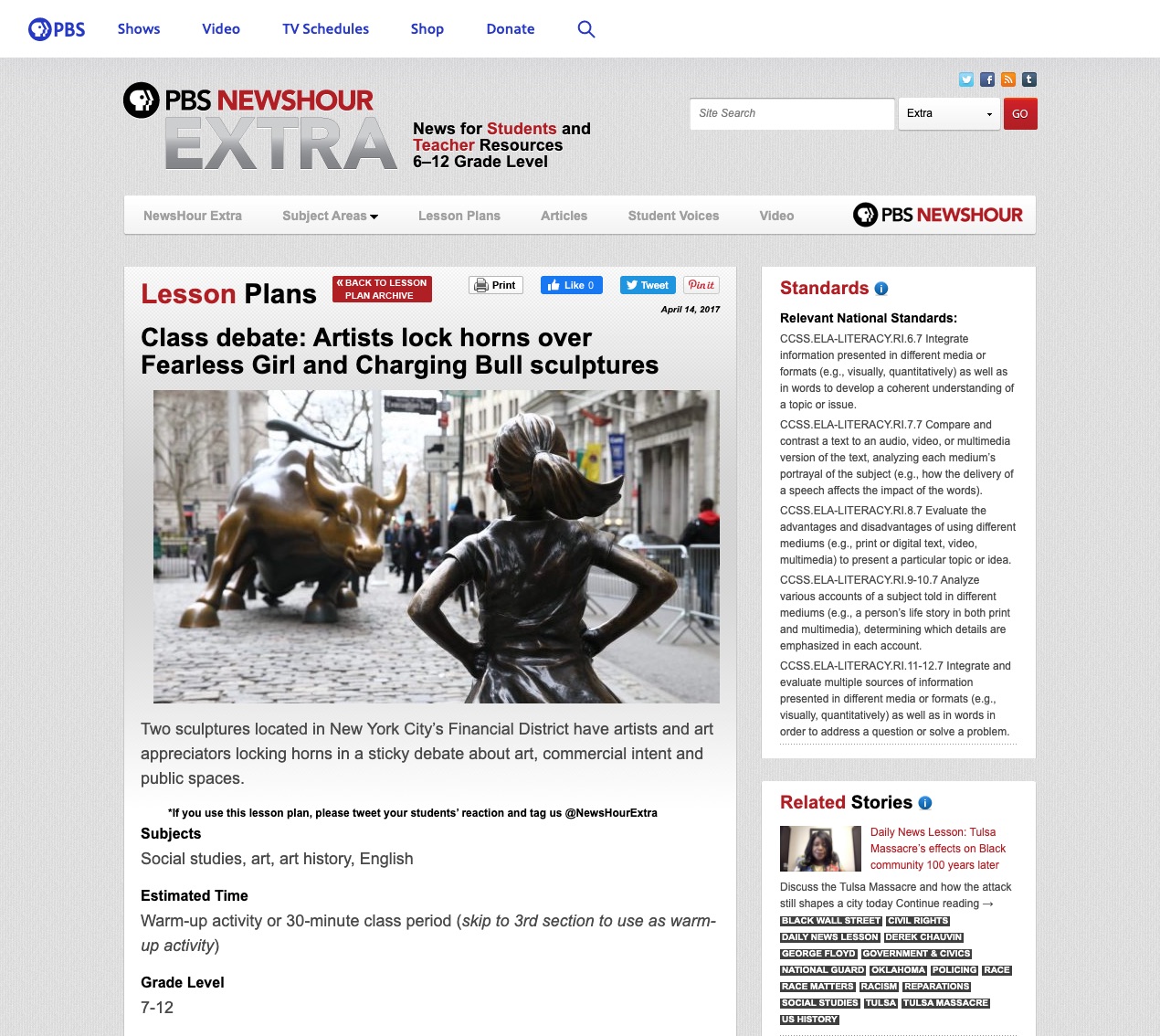
Two sculptures located in New York City's Financial District have artists and art appreciators locking horns in a sticky debate about art, commercial intent and public spaces.
This lesson introduces you to several additional intellectual tools useful in making decisions about responsibility. When you have completed the lesson, you should be able to use t...
Mini-Mock Trials are shorter versions of mock trial, taking an average of 2-3 hours. They are helpful for teaching about trial procedure as well as teaching the particular content ...
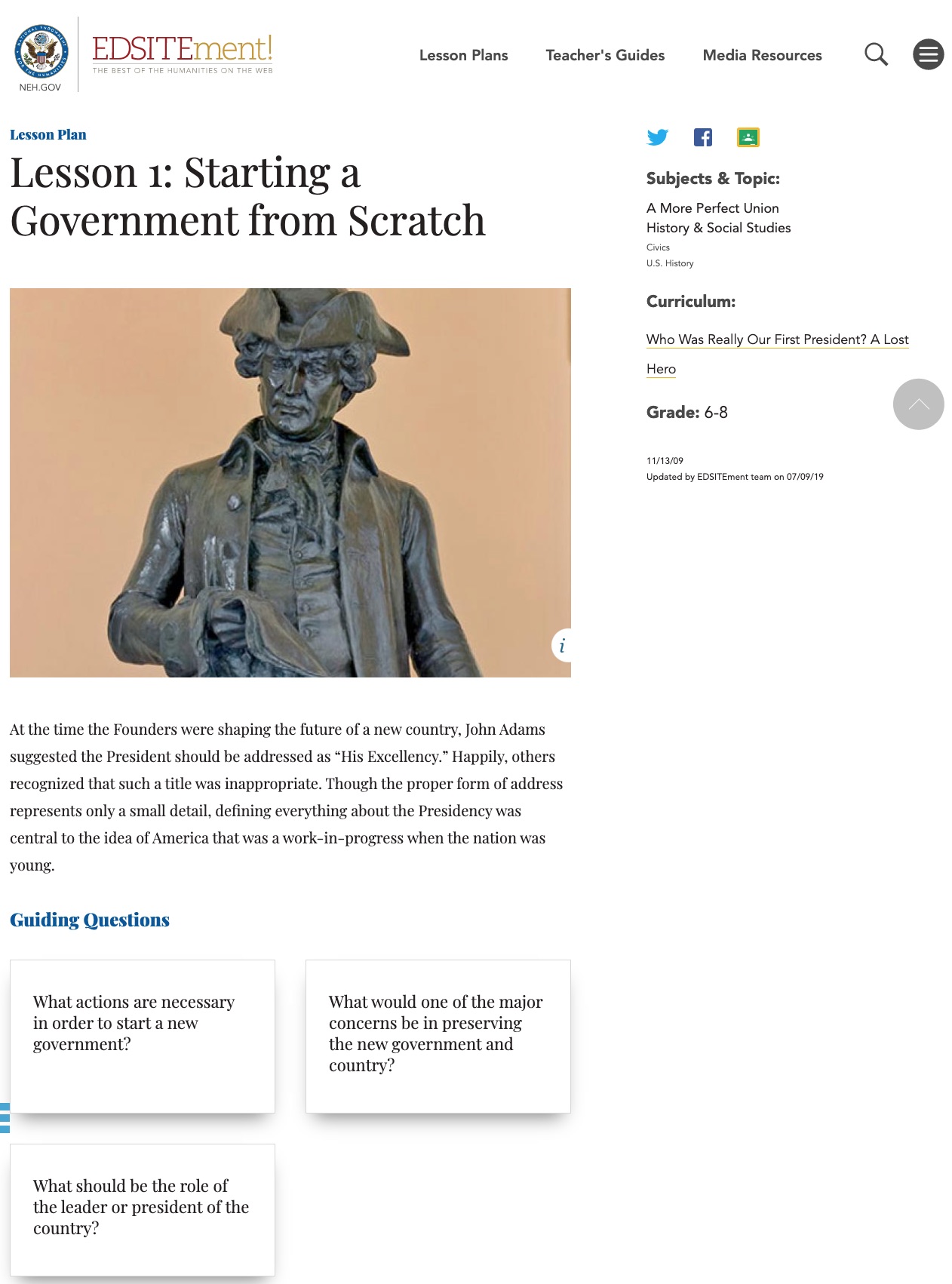
At the time the Founders were shaping the future of a new country, John Adams suggested the President should be addressed as H"is Excellency" Happily, others recognized that such a...
This third grade lesson is part of a Government and Citizenship unit. This unit is designed for students to understand that communities and nations need laws and leaders to help pr...
This unit is designed to provide students with an introduction to the electoral processes of the American political system. Students will develop a strong foundation that will inf...
This library of mini-lessons targets a variety of landmark cases from the United States Supreme Court. Each mini-lesson includes a one-page reading and a one-page activity, and is ...
This is the last lesson in the unit designed to teach the significance of the U.S. Constitution and the shared powers of government and the United States Constitution. Focus on thi...
This unit focuses on the rule of law and the impartiality of the courts, requiring students to act as a jury, writing and presenting arguments. In the book No, David! by David Shan...
Students will analyze the concept of procedural justice by: identifying in a play the unfair decisions by the ruler, stating the procedural guarantees that ought to be included in ...
In this lesson, students will learn about the life and work of civil rights leader Martin Luther King, Jr. Students will listen to a brief biography, view photographs of the March ...
An Introduction to 6th Grade Social Studies With Lesson 6, students move away from the study of individuals to the study of groups of people. An investigation of world history is ...
Students will learn what it means to be a U.S. citizen and how citizenship is obtained. They will compare and contrast personal and political rights with social responsibilities an...
When visiting the recommended website in this lesson, students learn about the Underground Railroad and "walk in the shoes" of an escaping slave. Using the picture book Sweet Clara...

This two-part documentary explores the life of one of America's greatest architects -- hated by some, worshipped by others and ignored by many. Using archival photographs, live cin...
How do we establish and maintain a colony on Mars? As the 10th grade capstone experience, students will create a Mars society that incorporates learning from core curricular areas....
In this third lesson of the four part series, students briefly examine the 2002 famine in Africa and the factors that contributed to its severity, with a special focus on Malawi.
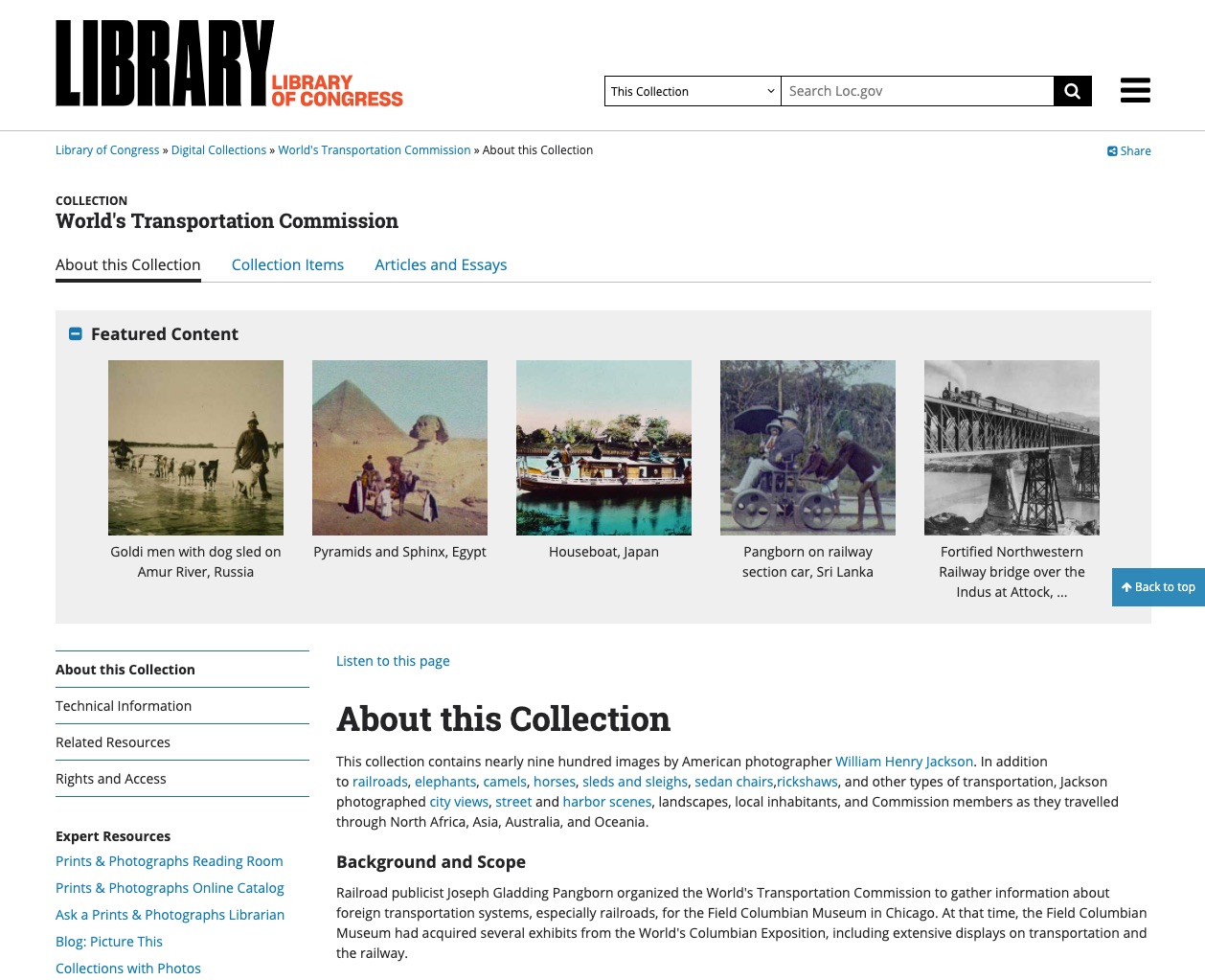
This collection contains nearly nine hundred images by American photographer William Henry Jackson. In addition to railroads, elephants, camels, horses, sleds and sleighs, sedan ch...
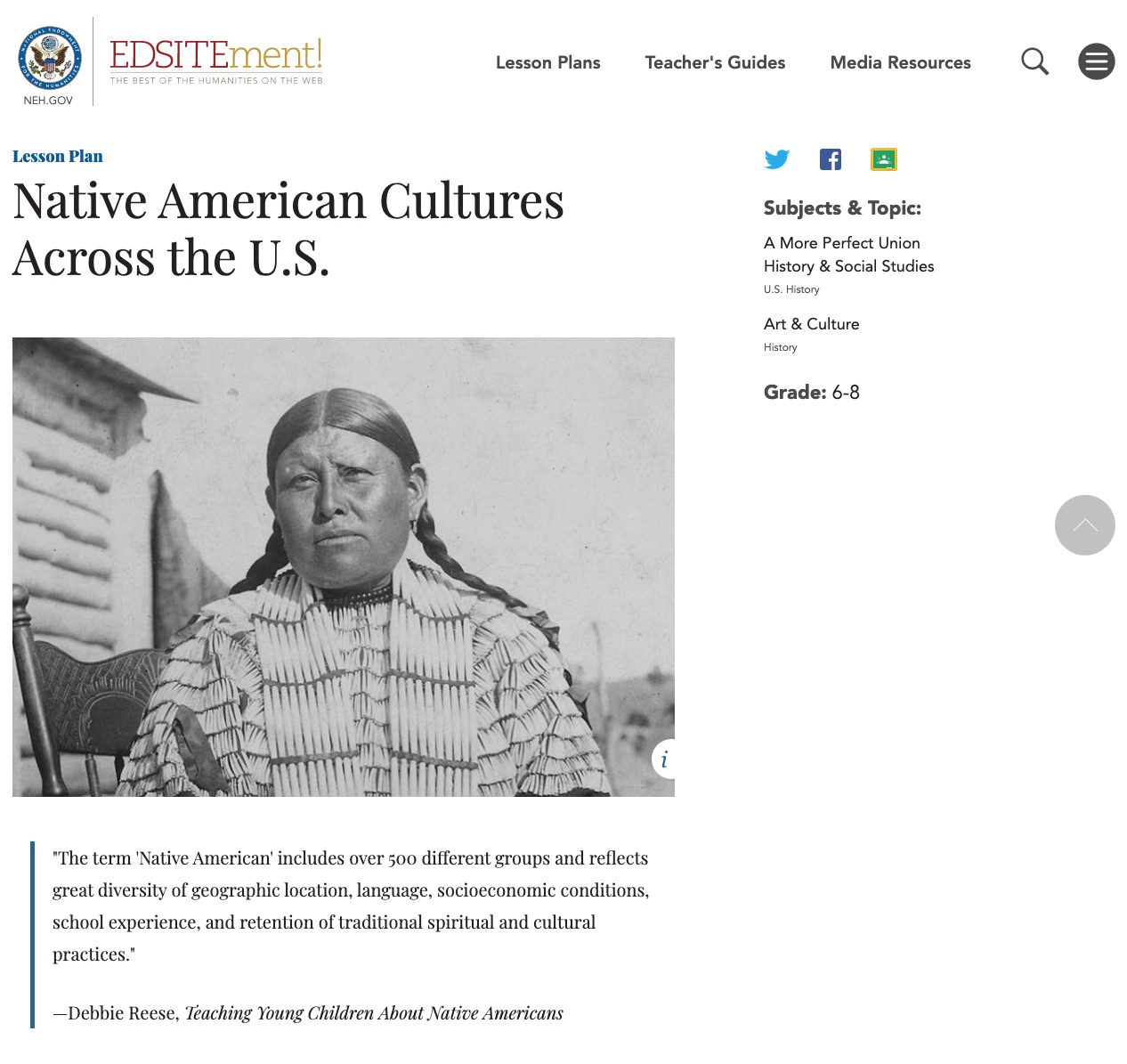
Children's literature, movies, and other media often perpetuate generalized stereotypes, whether positive or negative, in their representations of Native American peoples. Teaching...
I love social studies, and with the constant press covering the presidential election, it gives me the additional opportunity to be able to dive a little deeper into civics with my...